



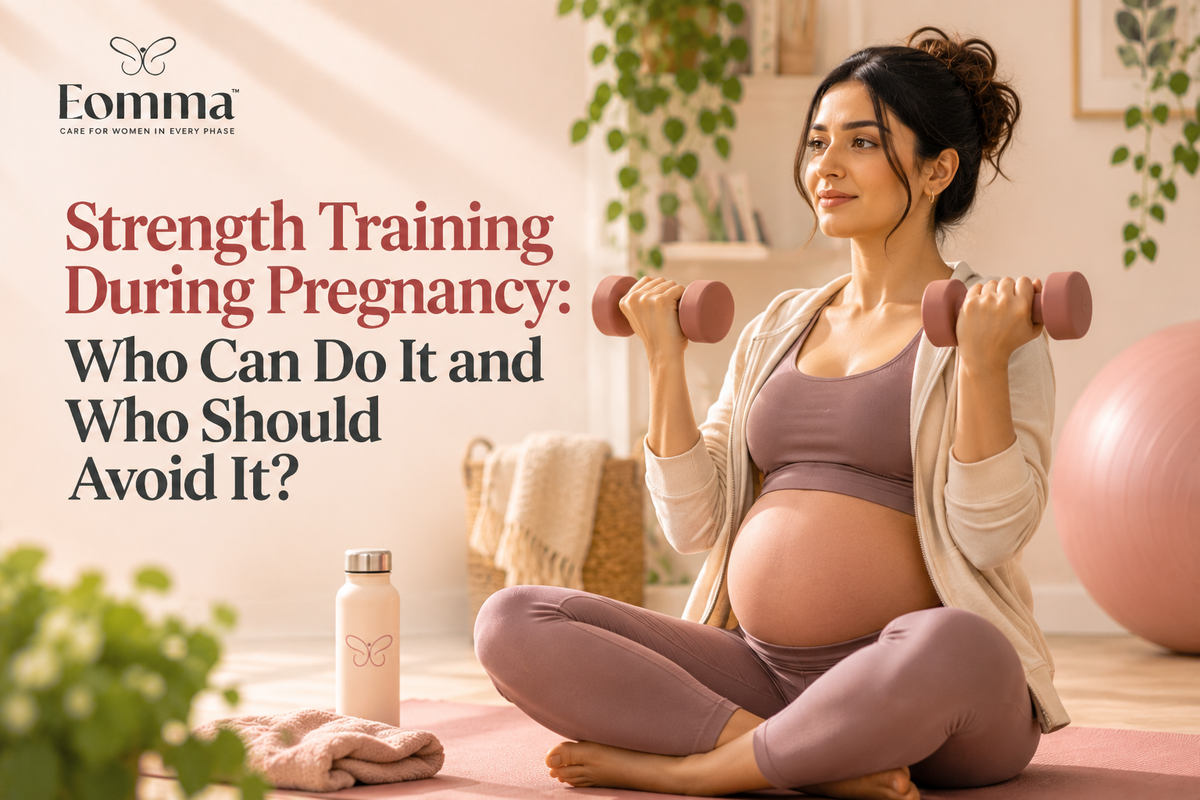
Pregnancy brings many changes to your body, and if you enjoy going to the gym, you may wonder whether you can continue lifting weights. Is strength training safe during pregnancy, or could it harm your baby?
The good news is that, for most women with uncomplicated pregnancies, appropriately adapted strength training can be a healthy part of an exercise routine. However, your medical history, pregnancy complications and fitness level matter. Understanding who can exercise, who needs medical guidance and how to modify workouts can help you make informed decisions.
What Are the Benefits of Strength Training During Pregnancy?
Strength training during pregnancy involves exercises that strengthen your muscles using free weights, resistance bands, machines or your body weight. When performed appropriately, resistance training during pregnancy can offer several benefits.
It can help maintain muscle strength, support everyday movements and make tasks such as standing, climbing stairs and carrying everyday items more manageable. Combined with other forms of physical activity, it may also contribute to better overall fitness and help reduce the risk of gestational diabetes and certain pregnancy-related complications.
Strength exercises can complement aerobic activity, such as walking or swimming, as part of a prenatal fitness routine. However, pregnancy is not the time to chase personal records or push through discomfort. The goal is to support your health, not achieve maximum performance.
Who Can Do Strength Training During Pregnancy?
For women with uncomplicated pregnancies and no medical contraindications, exercise is generally encouraged. Whether you are an experienced gym-goer or new to fitness, the right approach depends on your starting point.
Women who already lift weights: If you regularly strength train, you may be able to continue during pregnancy with suitable adjustments. This can include reducing the load, changing exercises and allowing more recovery time as your body changes.
Women new to exercise: You can often begin with gentle, manageable strength exercises during pregnancy, provided your healthcare professional has no concerns. Start gradually rather than jumping into strenuous workouts.
If you are unsure whether weight training during pregnancy is appropriate for you, discuss your routine with your obstetrician. A qualified prenatal fitness professional can also help you adapt exercises to your experience and changing needs.
Who Should Avoid Strength Training During Pregnancy?
Not every pregnancy has the same exercise recommendations. Some medical conditions may make strenuous exercise unsafe, while others require individual assessment before you begin or continue a workout routine.
When exercise may be contraindicated
Conditions such as ruptured membranes, premature labour, pre-eclampsia, unexplained persistent vaginal bleeding and certain serious heart or lung conditions may mean exercise should be restricted. The appropriate restrictions depend on your diagnosis and clinical circumstances.
When medical guidance is especially important
Speak to your healthcare professional before strength training if you have a history of preterm birth or recurrent pregnancy loss, gestational hypertension, symptomatic anaemia, certain multiple pregnancies or other pregnancy complications.
These conditions do not all automatically mean you must avoid every form of movement. Your doctor can assess the risks and explain what activity, if any, is appropriate.
Do not rely on an online checklist to decide whether you can exercise. If your pregnancy is considered high-risk or you have been advised to restrict activity, get individual medical guidance before lifting weights.
How Should Strength Training Change During Each Trimester?
Your body changes throughout pregnancy, so your pregnancy strength training routine may need to change, too. There is no single workout plan that suits everyone.
First trimester
During the first trimester, nausea and fatigue may make your usual routine feel more difficult. Choose manageable loads, stay hydrated and avoid overheating. You do not need to push through symptoms to maintain fitness.
Second trimester
As your bump grows, your balance and comfort may change. You may need to adjust your stance, reduce the load or choose exercises that offer more support. Exercises that cause discomfort should be modified or stopped.
Third trimester
In the third trimester, changes in balance, mobility and pelvic pressure may make some movements less comfortable. Lighter weights, supported positions and simpler exercises may be more suitable. Avoid positions that make you feel dizzy or unwell, and modify prolonged exercises lying flat on your back if they cause symptoms.
Whether you are strength training in the first, second or third trimester, let your symptoms, experience and healthcare advice guide your routine rather than following a rigid schedule.
Safety Tips for Lifting Weights While Pregnant
Following pregnancy exercise guidelines can help you make your workouts more comfortable and manageable.
- Choose manageable weights: Focus on controlled movements and good technique instead of lifting heavier.
- Keep breathing: Avoid holding your breath or straining excessively during repetitions.
- Stay hydrated: Drink fluids regularly and avoid exercising in excessive heat.
- Adapt your movements: Modify exercises that cause pain, dizziness, abdominal discomfort or pelvic pressure.
- Prioritise stability: As your balance changes, be cautious with movements that increase the risk of falling.
- Allow recovery: Take breaks when needed and adjust the intensity according to how you feel.
- Get appropriate support: A trainer experienced in prenatal exercise can help adapt your routine.
Strength exercises for pregnant women may include supported squats, wall push-ups, resistance-band rows and other manageable movements, provided they are appropriate for the individual. Exercises such as squats and lunges are not automatically unsafe, but their suitability depends on technique, balance, symptoms and medical guidance.
There is also no universal kilogram limit for lifting weights during pregnancy. What is manageable for one person may be excessive for another.
Warning Signs: When Should You Stop Exercising?
Stop exercising and seek medical advice if you experience vaginal bleeding, fluid leakage, regular painful contractions, chest pain, dizziness or fainting, severe shortness of breath before exertion, or calf pain or swelling.
Severe chest pain, difficulty breathing or fainting may require emergency care. Do not push through warning signs or assume that discomfort is simply part of pregnancy.
If symptoms occur during a workout, stop and contact your healthcare professional for guidance before resuming exercise.
Strength training during pregnancy can help many women maintain muscle strength and physical fitness, but the right routine depends on individual circumstances. Speak to your healthcare professional when needed, make adjustments as your body changes and prioritise comfort over performance. Pregnancy does not automatically mean giving up exercise, but your safety and wellbeing should always come first.
Medical disclaimer: This article is for educational purposes only and does not replace personalised medical advice. Consult your obstetrician or a qualified healthcare professional about exercise during pregnancy, especially if you have medical conditions or pregnancy complications.